

How to Upgrade from Rosemount 1151 to 3051 in Oil & Gas Plants (UK, Europe & ROW)

How to Upgrade from Rosemount 1151 to 3051 in Oil & Gas Plants (UK, Europe & ROW)
Introduction

Why Upgrade from Rosemount 1151 to 3051?

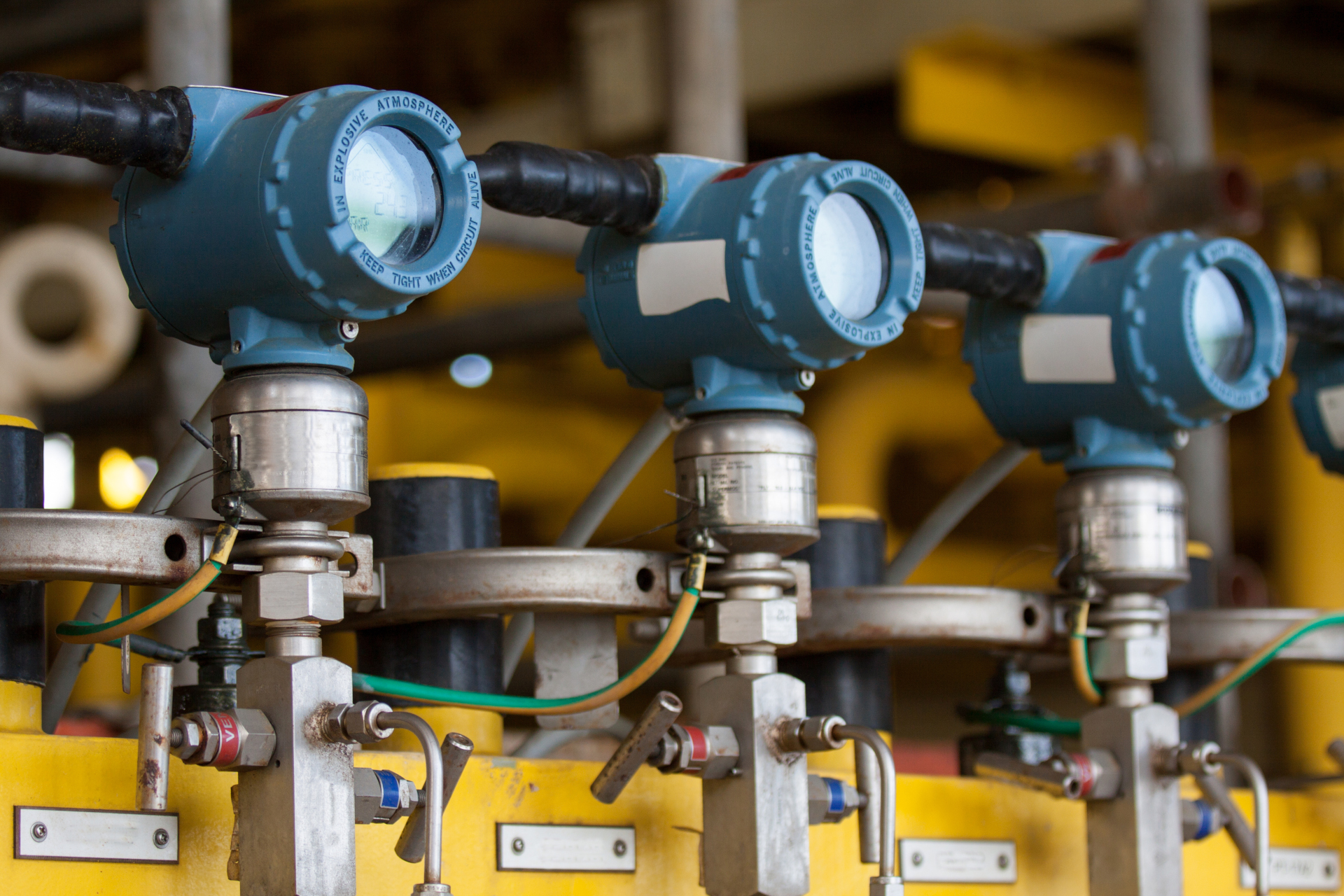
For decades, the Rosemount 1151 pressure transmitter has been a trusted workhorse in the oil and gas industry, known for its rugged performance and reliability. However, with advancing digital technologies, process optimization demands smarter, more accurate, and data-friendly instrumentation. Enter the Rosemount 3051 series a digital, high-performance replacement that offers enhanced diagnostics, better accuracy, and wireless capabilities.

If you’re an operator or instrumentation engineer in a refinery, petrochemical plant, or offshore oil & gas field in Turkey, UK, Ireland, Saudi Arabia, Nigeria, Brazil, Malaysia, or Vietnam, this blog will walk you through:

  • Why upgrade
  • Step-by-step upgrade procedures
  • Technical compatibility
  • Cost-benefit analysis
  • Common pitfalls to avoid

Key Differences Between Rosemount 1151 vs 3051

FeatureRosemount 1151Rosemount 3051
Accuracy±0.25% of span±0.04% of span
Output Signal4-20 mA analog4-20 mA HART / Foundation Fieldbus / WirelessHART
DiagnosticsBasicAdvanced (with predictive maintenance)
ConfigurationManual, bench calibrationLocal interface + digital remote configuration
Response TimeStandardFaster response and stability
CommunicationNoneHART/Modbus/Wireless
SIL RatingLimitedSIL2/SIL3 Certified

Why Is This Upgrade Urgent for Oil & Gas Plants in Your Region?

1. Obsolescence & Maintenance Issues

  • Spare parts for Rosemount 1151 are becoming harder to find.
  • OEM support is reducing globally.
  • Maintenance costs are increasing, especially in offshore sites in Brazil, Nigeria, and the North Sea.

2. Regulatory Compliance

  • New safety standards like IEC 61508/61511 demand smart SIL-rated transmitters.
  • Environmental regulations in the EU, KSA, and Latin America favor better leak detection and emissions control.

3. Digital Transformation (Industry 4.0

  • Oil & Gas operators in Turkey, Oman, and Mexico are rapidly investing in digital oilfields.
  • Smart instrumentation like Rosemount 3051 plays a crucial role in real-time data acquisition and remote diagnostics.

Step-by-Step Guide: How to Upgrade from Rosemount 1151 to 3051

Step 1: Audit Existing Installations

Start by identifying:

  • Mounting configuration (2” pipe, panel, manifold)
  • Process connection type (threaded, flanged)
  • Measurement range and span
  • Power supply
  • Hazardous area classifications (ATEX, IECEx)

Tip: Use a site-wide spreadsheet or Emerson’s AMS Device Manager for faster audit.

Step 2: Choose the Right 3051 Model

ApplicationRecommended 3051 Model
Pressure (GP/DP)Rosemount 3051C
LevelRosemount 3051L
Flow (with primary element)Rosemount 3051SFP
Wireless upgradesRosemount 3051 WirelessHART
Safety-critical loopsRosemount 3051S with SIL3 certification


Step 3: Check Mechanical Compatibility

  • Process connections: Most 3051 models are backward-compatible using standard coplanar flanges or legacy adaptors.
  • Manifolds: If using a 3- or 5-valve manifold, verify if it supports coplanar mount.
  • Mounting brackets: Rosemount provides conversion kits.

Step 4: Electrical Compatibility and Wiring

  • Existing 4–20 mA loops are fully compatible.
  • For HART integration, install HART communicators or multiplexers.
  • Wireless 3051 models require a Smart Wireless Gateway.

Step 5: Configuration and Calibration

  • Use Field Communicator 475 or AMS TREX device.
  • Configure range, zero span, engineering units, damping.
  • Loop test the transmitter.
  • Validate signal at DCS/PLC.

Tip for Saudi Arabia & Oman Plants: Use remote calibration over HART to reduce technician exposure in hazardous zones.

Step 6: Safety Loop Integration (If Applicable)

For SIL-rated applications (flare stacks, overpressure relief valves):

  • Ensure the selected 3051 is certified by TÜV.
  • Set correct response times and diagnostics as per SRS (Safety Requirement Specifications).

Real-World Example: Offshore Oil Platform in Brazil

Challenge: A major offshore platform in Brazil was facing frequent drift and failures in its old 1151 DP transmitters.

Solution: Replaced 1151s with Rosemount 3051S transmitters using existing manifolds and wiring. Configured HART diagnostics into DCS via multiplexers.

Outcome:

  • Reduced downtime by 30%
  • Enhanced remote monitoring
  • Cut annual maintenance cost by $20,000+

Common Mistakes to Avoid During Upgrade

MistakeHow to Avoid
Choosing incorrect pressure rangeMatch span and zero range properly
Ignoring hazardous location certificationAlways check ATEX, IECEx, or CSA standards
Not updating DCS/PLC documentationUpdate control logic and tag database
Skipping calibrationAlways perform post-installation zero-trim and span checks
Overlooking trainingTrain your technicians on HART communication and diagnostics

Cost-Benefit Analysis: 1151 vs 3051 in Real Use

ParameterRosemount 1151Rosemount 3051
Initial CostLowerSlightly higher
MaintenanceHighLow
Accuracy±0.25%±0.04%
DowntimeHigherLower
Lifecycle CostHigherLower (10-year+ service life)
ROI Timeline2–3 years~12 months

Conclusion

Upgrading from the Rosemount 1151 to 3051 is a strategic move to enhance plant efficiency, reduce operational risks, and future-proof your instrumentation for digital transformation. Whether you’re in a refinery in Argentina, a gas plant in Saudi Arabia, or an offshore platform in Vietnam, this upgrade provides:

  • Superior diagnostics
  • Improved accuracy
  • Reduced downtime
  • Wireless integration

At Q Instruments, we specialize in supplying Rosemount 3051 transmitters. We deliver across UK, Europe, Middle East, Southeast Asia, and Latin America.

Need Expert Advice? Contact QInstrument today for technical guidance tailored to your industry.

Email: [email protected]
WhatsApp: (+353) 86 0258986