

Pluto Train 2 Project: LNG Expansion Development in Western Australia

Pluto Train 2 Project: LNG Expansion Development in Western Australia
Introduction

The Pluto Train 2 Project is a major liquefied natural gas (LNG) infrastructure development located in Western Australia’s Pilbara region. The project represents an expansion of existing LNG processing capability through the addition of a second LNG processing train at the Pluto LNG facility near Karratha.

The development is designed to process natural gas from the offshore Scarborough gas field and convert it into liquefied natural gas for international energy markets.

Large-scale LNG projects such as Pluto Train 2 require the integration of multiple engineering disciplines, including gas processing, mechanical systems, electrical infrastructure, automation, process control, safety systems, and industrial instrumentation.

This article provides an overview of the Pluto Train 2 Project based only on publicly available project information, while separating confirmed project details from general LNG industry practices.

What is the Pluto Train 2 Project?

An LNG “train” refers to an individual processing unit within an LNG facility that performs the treatment and liquefaction of natural gas.

The Pluto Train 2 Project involves the development of an additional LNG processing train at the existing Pluto LNG facility in Western Australia.

The project is part of a wider gas development programme involving:

  • Offshore natural gas production
  • Gas transportation infrastructure
  • LNG processing expansion
  • Domestic gas supply capability
  • Export infrastructure

The purpose of the project is to increase LNG processing capacity by connecting new gas resources with existing LNG infrastructure.

Pluto Train 2 Project Location

The Pluto Train 2 facility is located near:

Karratha, Western Australia

The facility is situated within the Pilbara region, an area recognised for large-scale resource and energy developments.

The location provides access to established industrial infrastructure, including:

  • Existing LNG facilities
  • Port infrastructure
  • Regional logistics networks
  • Industrial support services

Using an existing LNG site allows additional processing capacity to be developed through expansion of an established energy facility.

Connection with the Scarborough Gas Field

The Pluto Train 2 Project is associated with the offshore Scarborough gas field, located approximately 375 kilometres off the coast of Western Australia.

The development involves connecting offshore gas resources with onshore LNG processing infrastructure.

The overall gas supply chain includes:

  1. Offshore gas production
  2. Transportation of natural gas to the LNG facility
  3. Gas processing and treatment
  4. LNG production
  5. Storage and export

The connection between offshore gas production and onshore LNG processing demonstrates the complexity of modern LNG developments, where multiple systems must operate together safely and efficiently.

LNG Production Capacity

The Pluto Train 2 Project is designed to provide approximately:

5 million tonnes per annum (Mtpa) of LNG processing capacity

This additional capacity expands the LNG production capability of the existing Pluto LNG facility.

The project also includes domestic gas infrastructure designed to support supply to the Western Australian domestic gas market.

Major Components of the Pluto Train 2 Development

LNG Processing Train

The LNG processing train is the central processing unit responsible for converting natural gas into LNG.

The process generally includes:

Gas Treatment

Raw natural gas contains components that must be removed before liquefaction.

Typical gas treatment processes remove:

  • Water
  • Carbon dioxide
  • Other unwanted compounds

Gas treatment improves LNG quality and protects downstream equipment.

Liquefaction Process

After treatment, natural gas is cooled to extremely low temperatures until it changes from a gas into a liquid.

Liquefied natural gas occupies significantly less volume than natural gas in gaseous form, allowing efficient transportation by LNG carriers.

LNG Storage and Export

After production, LNG is stored in specialised storage tanks before being transferred to export vessels.

LNG export facilities require reliable operation of:

  • Storage systems
  • Loading systems
  • Supporting utilities
  • Safety systems

Construction and Development Progress

The Pluto Train 2 Project has progressed through several major construction phases.

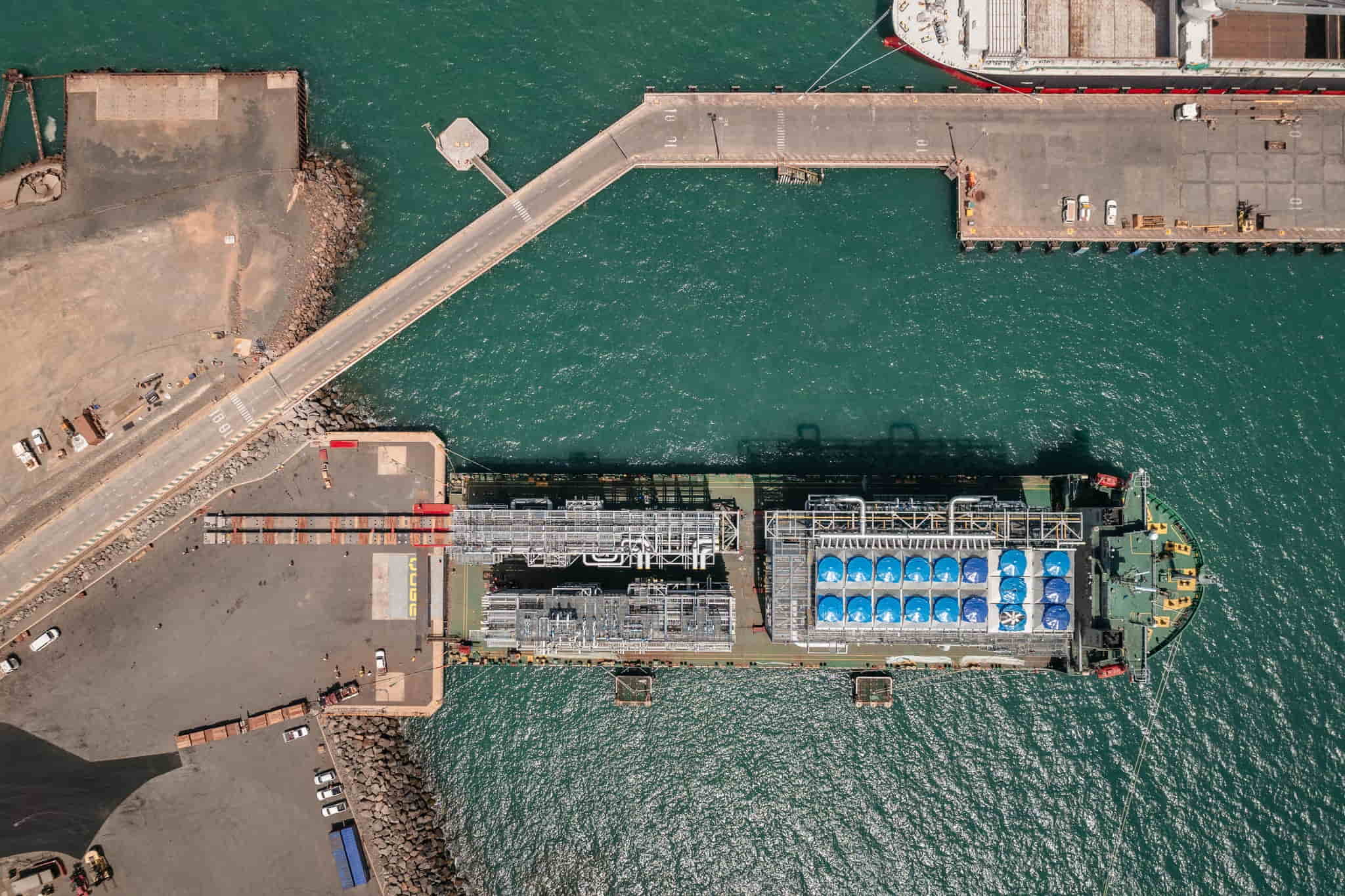
Large LNG developments often use modular construction methods, where major plant sections are fabricated separately before being transported and assembled at the final project location.

Public project updates have reported the delivery of major LNG modules to the project site as part of the construction programme.

The project is targeting LNG production during 2026.

Engineering Considerations in Large LNG Projects

Large LNG facilities require coordination between multiple engineering disciplines.

Key engineering areas include:

Process Engineering

Process engineers design systems for:

  • Gas treatment
  • Separation
  • Liquefaction
  • Refrigeration
  • LNG handling

Mechanical Engineering

Mechanical systems commonly include:

  • Compressors
  • Pumps
  • Heat exchangers
  • Pressure vessels
  • Rotating equipment

Reliability of mechanical equipment is essential because LNG facilities operate continuously for extended periods

Electrical Engineering

Electrical infrastructure supports:

  • Motors
  • Control systems
  • Plant utilities
  • Power distribution

Role of Instrumentation Systems in LNG Operations

Instrumentation systems provide measurement and monitoring of important operating parameters.

Typical measurements in LNG facilities include:

  • Pressure
  • Temperature
  • Flow
  • Level
  • Vibration
  • Equipment condition

These measurements allow operators and control systems to maintain safe and efficient plant operation.

Pressure Measurement

Pressure measurement is widely used in LNG facilities.

Typical applications include monitoring:

  • Gas processing systems
  • Pipelines
  • Compressors
  • Process vessels
  • Storage systems

Accurate pressure measurement helps maintain process stability and supports equipment protection.

Temperature Measurement

Temperature control is essential during LNG processing because liquefaction requires extremely low temperatures.

Temperature measurement is commonly used in:

  • Heat exchangers
  • Refrigeration systems
  • Gas treatment units
  • LNG storage systems

Flow Measurement

Flow measurement supports monitoring of fluid movement throughout industrial processes.

In LNG facilities, flow measurement may be used for:

  • Natural gas streams
  • Utility systems
  • Process fluids
  • Product measurement

Level Measurement

Level measurement technologies help monitor liquid levels within:

  • Storage tanks
  • Process vessels
  • Separation equipment

Reliable level monitoring supports safe operation and prevents process interruptions.

Condition Monitoring of Rotating Equipment

LNG facilities depend on rotating equipment such as compressors and pumps.

Condition monitoring is commonly used to assess equipment health through parameters such as:

  • Vibration
  • Temperature
  • Operating performance

Early detection of equipment issues can support maintenance planning and improve reliability.

Safety Systems in LNG Facilities

Safety is a critical requirement in LNG operations.

Industrial LNG facilities commonly use multiple layers of protection, including:

  • Process monitoring
  • Emergency shutdown systems
  • Safety instrumented functions
  • Hazard detection systems

The exact safety system configuration varies depending on facility design and project requirements.

Common Instrumentation Technologies Used in LNG Facilities

Large LNG facilities require reliable measurement and control solutions from specialised industrial instrumentation manufacturers. While specific supplier selections for Pluto Train 2 have not been publicly disclosed, LNG projects worldwide commonly use technologies from established instrumentation providers, including:

Pressure and Differential Pressure Measurement

Common industrial suppliers include:

Typical applications:

  • Gas processing units
  • Compressors
  • Pipelines
  • Process vessels

Flow Measurement

LNG facilities commonly use flow measurement technologies from manufacturers such as:

Typical applications:

  • Natural gas flow measurement
  • Utility monitoring
  • Process optimisation

Condition Monitoring and Machinery Protection

Large LNG plants rely on rotating equipment such as compressors and turbines. Condition monitoring solutions are commonly provided by companies such as:

Applications include:

  • Vibration monitoring
  • Bearing condition monitoring
  • Predictive maintenance

Temperature Measurement

Industrial temperature measurement solutions are commonly supplied by manufacturers such as:

  • WIKA
  • Endress+Hauser
  • Yokogawa Electric Corporation

Applications include:

  • LNG processing
  • Refrigeration systems
  • Heat exchangers

Control and Automation Systems

Large LNG facilities typically use distributed control and safety systems from major automation suppliers, including:

Applications include:

  • Process control
  • Plant monitoring
  • Safety functions

Note: The instrumentation brands listed above represent commonly used technologies in LNG and process industries. Specific instrumentation suppliers and equipment selections for the Pluto Train 2 Project have not been publicly disclosed. Inclusion of these manufacturers does not indicate confirmed supply to Pluto Train 2.

Environmental and Regulatory Considerations

Large LNG developments require environmental assessment and regulatory approvals before construction and operation.

Environmental considerations for LNG projects generally include:

  • Marine ecosystem management
  • Emissions management
  • Construction impact monitoring
  • Operational environmental controls

Project-specific environmental requirements depend on applicable government approvals and operating conditions.

Economic Significance

The Pluto Train 2 Project represents a significant investment in LNG infrastructure.

Large energy projects can contribute through:

  • Engineering employment
  • Construction activities
  • Local supply chain participation
  • LNG export capability
  • Domestic energy supply support

Conclusion

The Pluto Train 2 Project represents a significant LNG infrastructure expansion connecting offshore natural gas resources with additional LNG processing capability in Western Australia.

The project highlights the complexity of modern LNG developments, where process engineering, automation, instrumentation, mechanical systems, and safety technologies work together to support reliable energy production.

For industrial instrumentation and automation professionals, Pluto Train 2 provides an example of how large-scale LNG facilities depend on accurate measurement, monitoring, and control throughout their operational lifecycle.